Welcome back to Founder Focus, our deep dive into the origin stories of Irish founders building companies in every corner of the globe.
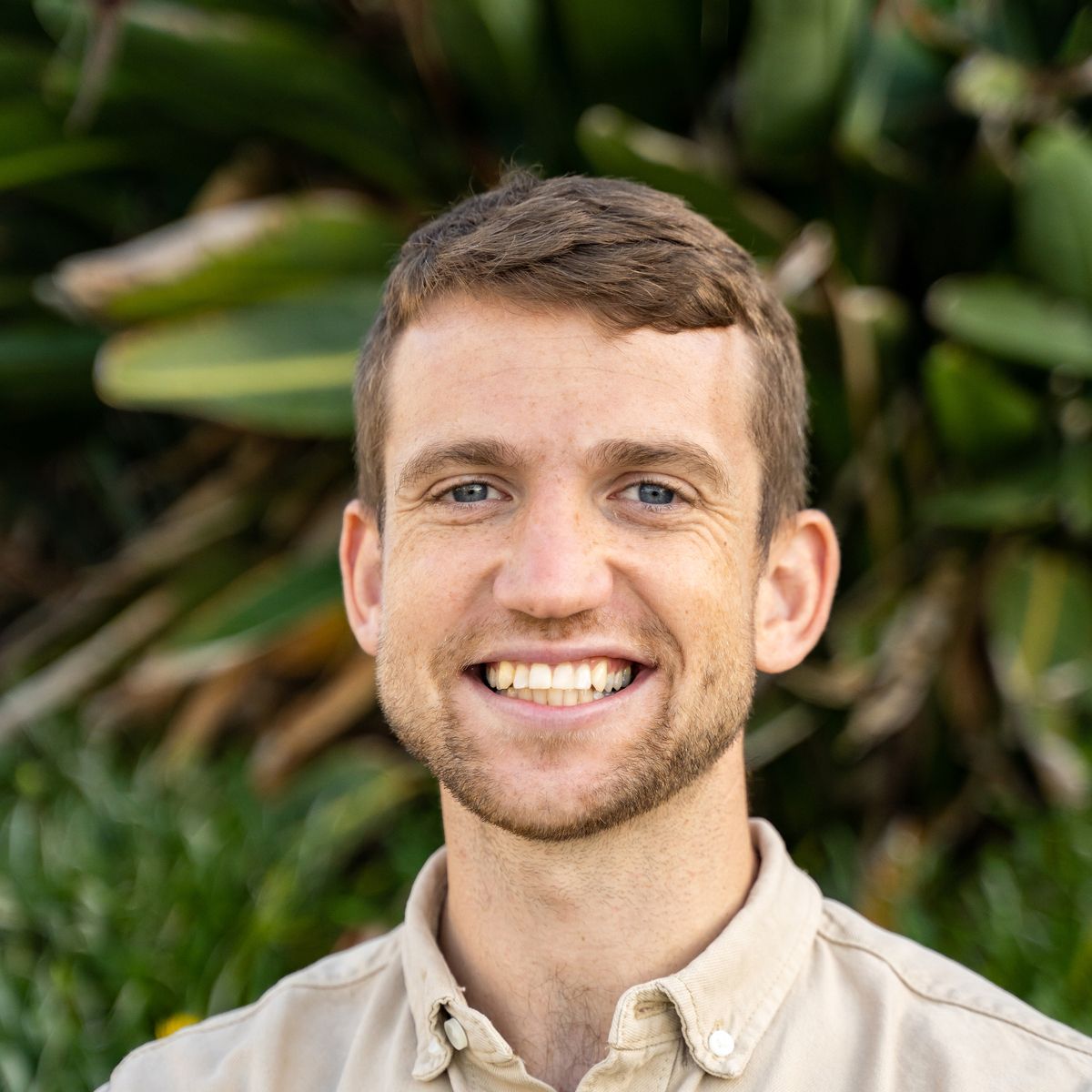
This week, we’re heading from Westport, Co. Mayo to Perth and Dubai, following the journey of James Flanagan, Founder and CEO of FanCart, an AI-powered “fan-first commerce” platform rethinking how products are discovered online.
FanCart was co-founded by James, with Manchester United legend Patrice Evra joining as a co-founder and lead investor following a strategic cold outreach (who said cold email was dead?!). Now based in Dubai, Evra adds global reach, commercial depth, and strong validation of the platform’s vision.
At its core, FanCart tackles a simple yet broken problem: why, in a world of personalised feeds and algorithms, does online shopping still rely on endless searching?

James Flanagan and Co-Founder Patrice Evra
In a world where Netflix knows what you want to watch and Spotify knows what you want to hear, James Flanagan is betting that shopping should finally catch up.
Let’s get into it.
⚡ FanCart Fast Facts⚡
💼 Companies: FanCart (9 employees) and HoverIT, the tech company behind FanCart that began as a “support local” e‑commerce solution during the pandemic | 🧠 Idea Spark: Came up with FanCart after failing to buy a pair of The Rock’s Under Armour trainers from a “link in bio,” deciding there had to be a better way for fans to shop what they see online. |
🚀 What he does: Builds and leads FanCart, a discovery engine that uses personalisation and precision tagging so fans see products linked to the sports, personalities and brands they love. | 🛫 Global Journey: Left Ireland for Perth on a one‑way ticket encouraged by a friend, worked across Bass Strait, Timor Sea and North West Shelf in oil and gas before pivoting into sales, then founding FanCart. |
🧑💻 LinkedIn: James Flanagan | 🌍 From: Westport, Co. Mayo, Ireland; has spent 15+ years abroad |
🌱 The Beginning
Can you share the inspiration behind founding FanCart, and what problem were you passionate about solving when you started?
FanCart came from a personal frustration. I was on Instagram looking at The Rock’s profile, and he was promoting a pair of Under Armour trainers I liked.
He said “link in bio”, and I’d never bought anything through social media before, so I clicked the link and landed on the Under Armour site. I couldn’t find the shoes anywhere. I spent about five minutes trying, then gave up.
And I just had this moment: there has to be something better than that. That’s where FanCart originated.
Check out this interview with CNBC where James speaks about the idea behind Fancart
FanCart’s mission is to “personalise the online shopping experience for fans.” How are you leveraging technology to make this a reality, and what sets FanCart apart from traditional e-commerce platforms?
The whole point of FanCart is to get the product to the customer, not the other way around. Personalisation has won everywhere else. Netflix serves you content with really high accuracy. Spotify is like a DJ in your pocket.
But the biggest e-commerce platforms are still search-box driven. Personalisation hasn’t been solved for commerce in the same way because companies focused on logistics, speed, and operational excellence.
We’re building a platform that delivers products and content to fans based on what they love—football, basketball, tennis, and specific athletes, so the feed gets smarter over time. We also help brands maximise ROI on their ambassador partnerships by making it easier to monetise that influence properly. Fans win, brands win, and the personalities win.
What was your personal journey leading up to launching FanCart, and were there any significant experiences in Ireland, Australia, or Dubai that shaped your approach?
I’m from Westport, Mayo, and I’ve been living in Perth for about 15 or 16 years. A friend kept telling me to come out, and eventually I did. He picked me up at the airport and put a single mattress on the floor of his room for me.
I worked a large part of my career in mining, oil and gas as a rigger, scaffolder, and commercial diver. Bass Strait, Timor Sea, North West Shelf. Then I swapped the overalls and wetsuit for a suit and went into corporate.
I worked for an Irish video interview company called Sonru. I learned sales and business development properly there in Perth, Melbourne, running states, travelling across APAC to Singapore and Malaysia for meetings and events.
I’ve also been lucky to have my uncle Luke as a mentor. He’s had senior corporate roles and advises startups. He’s helped guide the journey and avoid potholes.
Building Scaling in
You recently announced Patrice Evra, the Manchester United legend, as your co-founder. Can you talk about how that partnership developed and the impact it’s had?
I approached it strategically. First, we knew we needed the branding right because we were evolving from HoverIT. We got professionals to develop multiple name/logo/colour options, then we used US polling sites to let the public vote on what the brand should be.
“Once that was done, I wrote what I thought was a strong, direct message and started reaching out to athletes on LinkedIn—no introductions. One of Patrice’s team picked it up. He’s ex-Shopify, so he understood e-commerce and saw the gap.”

We ended up on a call meant to be 15 minutes long, and it turned into an hour and a half of talking and laughing about how to make it happen. Within a week, I flew to Dubai where he lives, for a two-day strategy session with the team, and we mapped out the plan and launch, who to bring in, and how to execute.
Who’s been building the technology, and what does the team look like today?
We have an in-house technical team. Sagar Yonjan has been with me since day one. He has been loyal and a great engineer. We have other engineers supporting with QA and testing.
We also brought in an affiliate marketing specialist, Dean Appleton, who mapped out the affiliate model end-to-end. Amer Iqba is a massive part of the team too—ex-head of digital for Meta APAC—he helped shape the personalisation vision and identify what the big players are missing.
Then there’s Fiona Mayers (marketing), Luke Falvey (acting CFO/strategy), Dylan Falvey (strategy), and Rob Kiley who was a senior VP at Lazada (Alibaba). And Patrice is co-founder, leading the Legends Circle.
What have been the biggest challenges in scaling FanCart from an idea to an operational company, especially across international markets like Dubai?
The startup journey is not all rainbows and butterflies. You need grit and belief. Startups are costly, especially bootstrapped—you have to do everything right.
“If you imagine ten dominoes—marketing, admin, legal, branding, team management, product development, media, outreach—if you get one wrong, you can fall over. That’s why the right people matter so much.”
And there’s the personal side too—keeping the lights on, bringing in a salary, keeping things steady at home. People don’t see the pressure founders carry while they’re still working other jobs to fund the dream
The Future of Fancart
What’s next for FanCart? New markets, features, or partnerships on the horizon?
We’ve already built the platform, which is great. Now it’s about integrations with networks. We’re coming into the market as a value add, a discovery engine that powers brands and marketplaces. We’ll drive traffic into brands and take an affiliate clip.
We’re aiming to launch next year, exact date TBC, but hopefully not too late into the year.
How will FanCart go to market? Are you integrating with platforms like Amazon, or what does the model look like at launch?
Initially, we don’t want to come in as a competitor. We want to come in as a value add. So we’ll hold no products, no logistics, low risk.
We’re using the affiliate model that’s been trusted for decades. We’ll integrate with top affiliate networks—Awin, Webgains, Impact—and tier-one brands’ programs. We pull in products and use our precision tagging system to bucket everything by sport, athletes, and interests, so we can deliver the right products to the right fans.
And we also have a commerce-based “link in bio” for brands that’s far better than what they use today, so we can leverage the social platforms where people already are, instead of trying to grow everything from scratch.
☘️ The Irish Bit
For Irish founders looking to build abroad, especially in regions like the Middle East, what advice would you share from your own journey?
Network in your area of interest. Find events, groups, and people, connect on LinkedIn, follow up, and have Zoom calls. Do your research.
“Don’t take advice from people who haven’t done it, especially mates from school who think you’re mad. If you genuinely believe you have something, go for it!”
And leverage the Irish card. The Irish are phenomenal overseas. We do want to help each other. Join Irish groups and organisations, don’t be afraid to ask for help.
What does it mean to you to be an Irish founder abroad?
It’s about making your family proud. Making yourself proud. And honestly, making your hometown proud—Westport, Mayo.
When Patrice came on board, people back home were behind it. They were saying “good on you.” We’re proud to be Irish. Ireland has something special.
It would be phenomenal to build something global and do it as an Irish founder—Irish people have done phenomenal things over the years, and we’ll keep doing it.